The Role of Filtration in Reducing Allergens and Airborne Particles
Spring might be a time of blooming flowers, sun-kissed meadows, and new beginnings, but it’s also the season of chafed noses and Benadryl. Typically perpetuated by pollen, cotton, mold, dust mites, and more, this is a season when running out of a box of tissues turns into a major issue!
With an abundance of spring allergens (on top of the year-round allergens like pet dander), filtration becomes vital to a healthy, productive environment.
Read on to learn more about keeping your family, employees, and clients safe from allergens and microbes.
Allergies: A Common Chaos
Allergies are exceedingly common across the US. According to the Centers for Disease Control and Prevention, roughly a third of adults and a third of children have at least one type of allergic condition (such as food allergies, eczema, and hay fever).
Some people experience seasonal allergies, meaning they have symptoms only during certain times of the year, when grass pollen peaks or trees trigger watery eyes, nasal congestion, and itchiness. Others experience allergies daily, though they often see surges during the warm-weather months. For asthmatics, allergy attacks can go beyond nasal or congestive symptoms and cause full-blown, life-threatening situations.
How Filtration Makes a Difference
Indoor air quality is important year-round; it means the difference between an out-sick and productive workforce, happy and healthy customers, and kids well enough to get on the school bus.
Homes and buildings typically contain a WHO’s who of allergens and other airborne particles, including dust, pet dander, microscopic debris, mold spores, pollen, and more. Traditional cleaning methods don’t adequately remove these unwanted invaders, and because they’re not always visible, they’re easy to overlook. A school hallway can be covered in allergens yet appear clean to the naked eye. This underscores the importance of vacuums with state-of-the-art filtration systems.
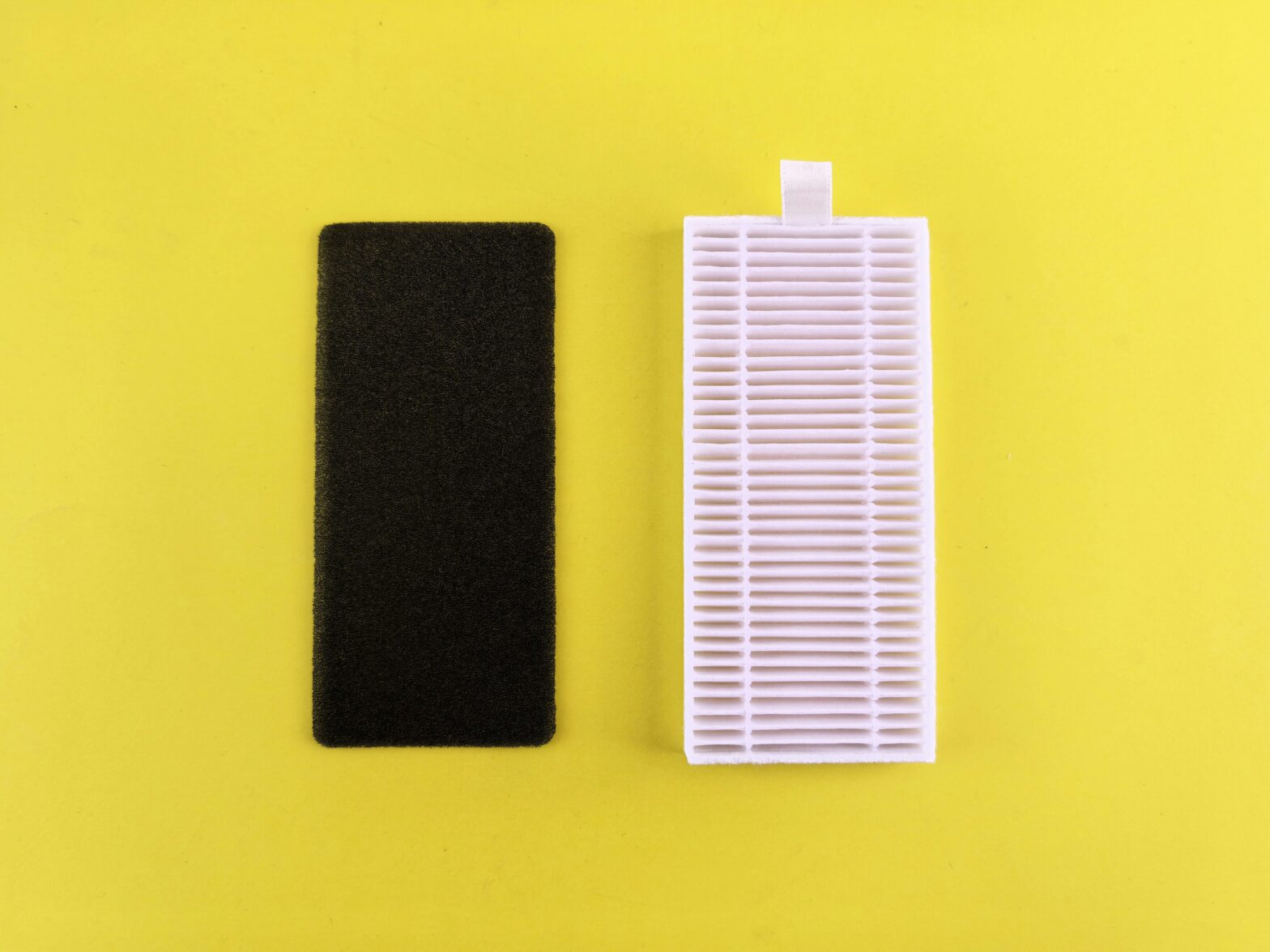
Vacuums with HEPA filters are specifically designed to capture particles of all sizes, even those as small as 0.3 microns (studies suggest they capture 99.97% of these particles). These aren’t only vital in places where germs are plentiful (such as daycares and healthcare facilities); they’re also important in corporate offices, retail shops, fitness centers, and residential homes.
Overall, cleaning a building or home with a HEPA-equipped vacuum offers the following benefits:
- HEPA captures microscopic allergens and keeps them contained
- HEPA traps small particles that other types of filters miss
- HEPA improves indoor air quality by reducing pollen, dust mites, and pet dander
- HEPA reduces allergies as well as seasonal colds and flus (by trapping bacteria and viruses)
- HEPA minimizes the spread of contaminants
- HEPA removes fine dust and debris from carpets, extending the life of the fibers
- HEPA leaves buildings and homes cleaner
You don’t need to have allergies or be asthmatic to benefit, of course. Clean air is good for the lungs, even without underlying medical conditions. Use a HEPA filter regularly and breathe freely!
Mosquito offers innovative backpack vacuums, spotters, and extractors that are efficient, ergonomic, powerful, and lightweight. Our goal is to boost your workplace productivity, ensure safety, and keep spaces clean while keeping ownership costs low. Contact us to learn more.